Broken Spring Replacement
The springs above or alongside your garage door do the heavy lifting every single day. A torsion spring, mounted on a steel shaft over the opening, winds tighter as the door closes and unwinds to lift as the door opens, turning cable drums that wind up the lift cables attached to the bottom corners. Extension springs work differently, stretching along the horizontal tracks and contracting to help raise the door through a system of pulleys and cables. In both designs, the springs — not the opener — carry nearly all of the door's weight. When a spring breaks, that support vanishes in an instant, often with a loud bang that homeowners describe as sounding like a gunshot or a board snapping inside the garage.
A broken spring leaves the door dead weight. It may not move at all, may rise a few inches before the opener gives up, or may lift crooked if one spring in a pair has failed while the other still holds. Trying to force the door open, or running the opener again and again, risks burning out the opener motor, stripping its drive gear, bending tracks, or dropping the door. Broken spring replacement restores the correct counterbalance by fitting springs matched precisely to your door's weight, height, track geometry, and lift type, then winding them to the proper tension and verifying balance through the full range of travel.
How to Tell a Spring Has Actually Broken
The sound is often the first report: a sharp, loud crack from the garage when nobody was using the door, because springs frequently let go while wound tight with the door closed, sometimes hours after the last cycle as fatigued steel finally gives way. After that sound, the visual check is straightforward from a safe distance. On a torsion system, look at the spring or springs on the shaft above the door — a broken spring shows a clean gap of a couple of inches in the coil, sepaspecification it into two pieces. The spring may also look stretched or uneven compared with its partner.
The behavior check confirms it. The door becomes extremely heavy to lift by hand, will not stay at halfway, or will not open at all. With two springs, the door may still move but will strain, shake, or hang unevenly because one side now carries far more load. With extension springs, look for a spring that has separated, hangs loose, or lies on the floor with its safety cable visible, and check for a door that leans or binds. Do not test repeatedly and do not stand in the doorway while investigating — a door without counterbalance can fall with its full weight if it slips. One careful look, then stop and arrange replacement.
- A loud bang from the garage, often while the door sits closed
- A visible gap in the torsion spring coil above the door
- Door suddenly far too heavy to lift by hand
- Opener strains, hums, or stops after a few inches of travel
- Extension spring separated, dangling, or lying on the garage floor
Why Springs Break: Cycles, Rust, and Balance
Springs are consumable parts with a finite life measured in cycles — one opening plus one closing. Each cycle flexes the steel, and over thousands of cycles the wire fatigues, especially at the coils near the cones where stress concentrates. Standard springs are manufactured for a baseline cycle specification, and households that use the garage as the main entrance can accumulate cycles surprisingly fast, with multiple cars, children, and daily routines adding up to many cycles per day. When a spring reaches the end of its rated life, breakage is not a defect so much as the part completing the service it was built for.
Environment and maintenance change the timeline. Surface rust roughens the wire and creates stress points, so springs in humid or coastal garages, or doors exposed to road salt tracked in during winter, tend to fail sooner. A door that is already out of balance, or that runs on bent tracks, forces the springs to work against extra friction on every cycle. Lubrication made for garage door springs reduces coil friction and slows corrosion, and it is one of the few spring-related tasks suitable for a homeowner — applied to the outside of the coils, never involving tension adjustment. When one spring breaks, its partner has endured the same cycles and conditions, which is why matched replacement is the usual professional approach on two-spring systems.
- Cycle life is finite: every opening and closing counts against the specification
- Fatigue concentrates near the spring cones where coils flex most
- Rust and road salt create stress points that shorten spring life
- An unbalanced door or binding tracks add strain on every cycle
- The surviving spring in a pair has lived the same life as the broken one
Why Spring Replacement Is Not a DIY Job
This needs to be stated without softening: a wound torsion spring stores enough energy to lift a door weighing well over a hundred pounds, and in many homes considerably more. That energy is released through hardened steel winding bars, set screws on the winding cone, and a shaft that must be held against rotation at every step. If a bar slips, a cone cracks, or a set screw is loosened in the wrong order, the spring can unwind in a fraction of a second with force that breaks bones and worse. Extension springs carry the same hazard in a stretched form, and the cables and bottom brackets connected to both systems remain under load even with the door fully closed.
Professionals train specifically for this work. They use correctly sized solid winding bars — never screwdrivers or improvised substitutes — secure the shaft, unwind and wind in controlled quarter turns, and keep their body out of the path of the bars. They also know how to recognize a cracked cone, a worn bearing, or a scored shaft that would make a new spring unsafe on old hardware. Homeowners should also know that the winding job is only half the task: an incorrectly sized spring can be wound to feel roughly right at one point in travel while leaving the door heavy at the floor or eager to fly up near the top, which damages openers and creates its own hazards. Correct sizing comes first, and that is a measurement exercise, not a guess. Call Now to connect with a local garage door professional.
- Wound springs store energy sufficient to lift the entire door weight
- Proper work requires solid winding bars sized to the spring cones
- Bottom brackets and cables stay under tension with the door closed
- Body position and controlled quarter-turn winding are trained techniques
- Wrong spring sizing creates dangerous balance errors through the travel range
How the Correct Replacement Spring Is Chosen
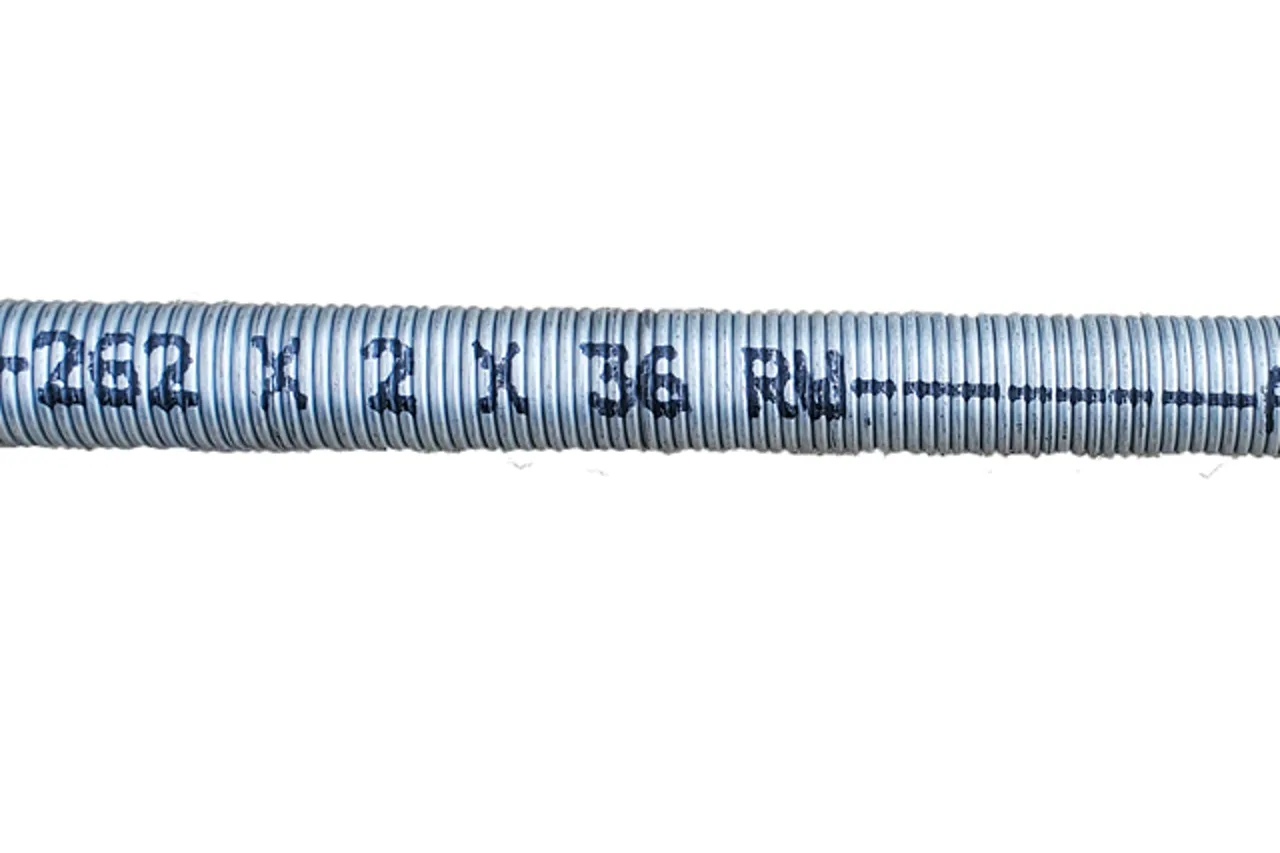
Replacement is not picking a spring that looks similar. A professional identifies the spring by measuring the wire diameter with calipers or a wire gauge, counting coils to establish the inside diameter and overall length, and noting the wind direction — springs are wound left or right, and torsion shafts typically carry one of each so the pair lifts evenly. Those measurements combine with the door's weight, height, drum size, and track radius to determine the spring that delivers the right torque through the whole lift. Two springs that look alike on a shelf can differ enough in wire size to leave a door noticeably heavy or light.
Door weight itself is verified rather than assumed, because prior owners may have added insulation, overlay panels, or replacement sections that changed the load since the original springs were fitted. On two-spring systems, both springs are replaced together so torque is symmetrical and the remaining life is equal on both sides. The visit also includes inspection of the parts the springs work with: end bearing plates, the center bearing, drums for grooves or cracks, the shaft for scoring, and lift cables for fraying. Replacing a spring onto worn bearings or frayed cables invites a second failure, so those findings are raised before the new spring is wound, not after.
- Wire size, inside diameter, length, and wind direction are all measured
- Spring choice accounts for door weight, height, drums, and track radius
- Added insulation or overlay panels can change the required spring
- Pair replacement keeps lift symmetrical and service life even
- Bearings, drums, shaft, and cables are inspected before winding
What Happens During Replacement and Testing
The work begins with the door secured in the closed position and the opener disconnected so nothing can cycle the door unexpectedly. The remaining tension is unwound from the intact spring in controlled turns, the cones are freed, and the shaft assembly is slid to remove the broken spring and its partner. New springs are positioned with correct wind orientation, cones are seated and secured, and cables are checked in their drums before tension is applied. Winding proceeds in measured quarter turns to the calculated count for the door's height, and set screws are tightened onto the shaft at each cone.
Testing is where a careful job proves itself. The professional lifts the door by hand and checks balance at the floor, at mid-travel, and near full open: a well-balanced door stays where it is left, lifts without a surge, and settles without slamming. The door is run through several powered cycles while the opener's travel and force are confirmed against the restored balance — a correctly sprung door needs only gentle opener force. Any drift, cable slack, or unevenness is corrected by fine adjustment before the job is finished, and the homeowner is shown the balance test so they know what correct feels like for future reference.
- Door secured closed and opener disconnected before tension work begins
- Old tension released in controlled turns, never by loosening blindly
- New springs wound to a calculated turn count for the door height
- Balance checked at floor, mid-travel, and near full open
- Opener travel and force verified against the restored balance
How the Work Usually Proceeds
Confirm the Failure Safely
Share what you heard and saw — the bang, the visible gap in the coil, how the door behaves — without repeatedly testing the door or running the opener. That information lets the professional identify the likely system type and bring a range of correctly rated springs to the visit.
Measure and Inspect
On site, the professional measures wire size, coil dimensions, and wind direction, verifies the door's weight and configuration, and inspects bearings, drums, shaft, and cables. You hear which springs match your door and whether any related parts need attention before winding.
Replace and Wind
Both springs on a two-spring shaft are replaced as a matched pair. Tension is released and applied only with proper winding bars and shaft control, cables are seated correctly in the drums, and cones are secured to the calculated tension for your door's height.
Balance and Safety Verification
The door is balance-tested by hand at several heights, then run through powered cycles. Opener force and travel are checked, photo-eyes and auto-reverse are confirmed, and the professional demonstrates the balance test so you can recognize correct operation later.