Garage Door Repair
A garage door is a large moving system in most homes, and it works as a balanced assembly rather than as a single slab being lifted by brute force. Steel or wood sections are hinged together, rollers ride inside vertical and horizontal tracks, lift cables connect the bottom corners to drums on a torsion shaft or to pulleys in an extension spring system, and counterbalance springs carry most of the weight. The opener only guides that balanced weight up and down. When any one part wears, bends, loosens, or breaks, the whole system shows it — the door shakes, binds in the tracks, reverses for no clear reason, hangs crooked, or stops moving altogether. Garage door repair is the work of finding which part of that assembly has failed and restoring the balance and alignment the system was designed around.
Homeowners usually need repair long before they need a whole new door. A door that was quiet for years may start to grind because nylon rollers have flattened, a hinge has cracked, or track bolts have worked loose from vibration. A door that opens a few inches and stops may have a broken spring or a frayed lift cable. A door that closes and immediately reverses often has misaligned safety sensors or a travel limit that has drifted. Because these symptoms overlap, good repair starts with diagnosis rather than guesswork. A local professional can test balance, inspect every moving part, and explain what needs attention now and what can simply be monitored, so the door returns to smooth, predictable operation.

How a Balanced Garage Door System Actually Works
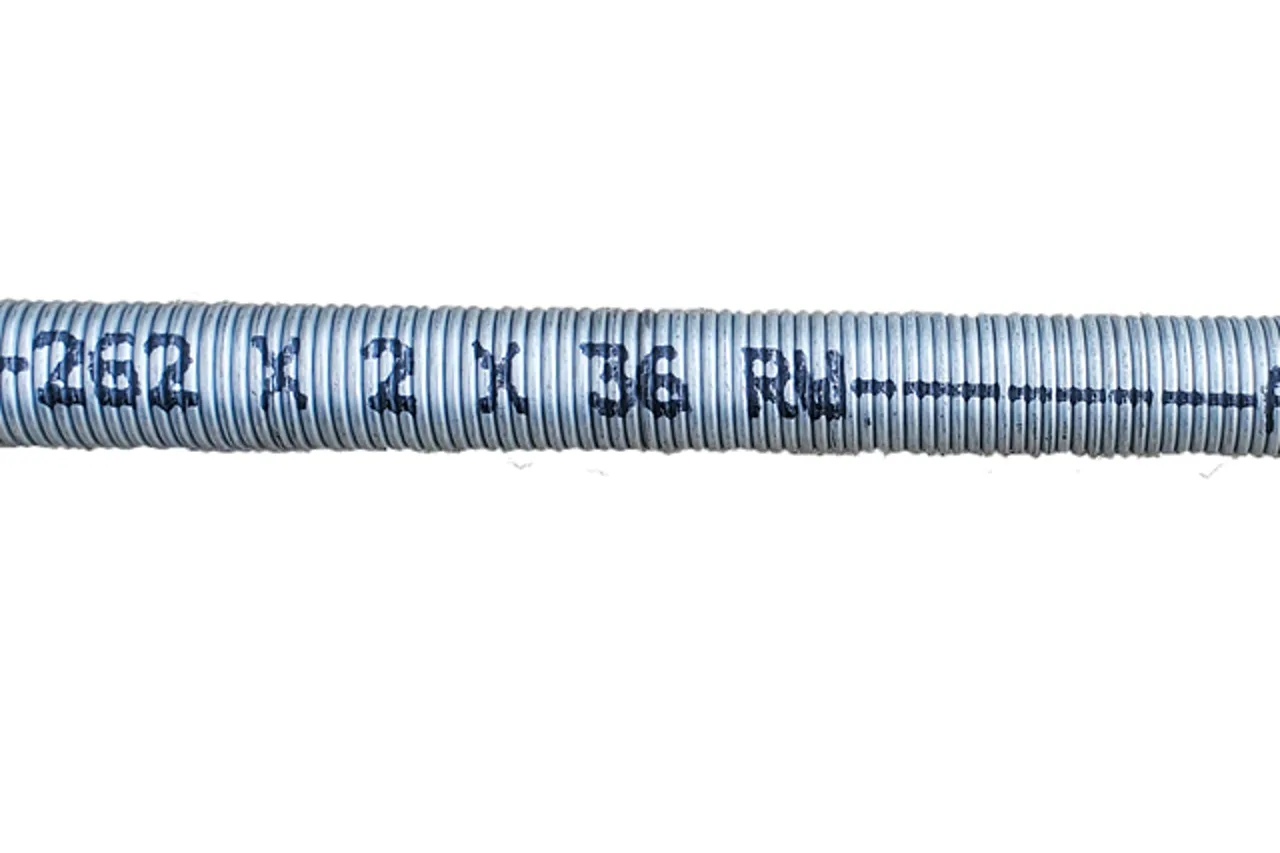
Understanding repair starts with the counterbalance system. In a torsion setup, one or two tightly wound springs sit on a steel shaft above the door opening. When the door closes, those springs wind tighter and store energy. When the door opens, the springs unwind, the shaft turns, drums at each end wind up the lift cables, and that stored energy does most of the lifting. In an extension spring setup, springs stretch along the horizontal tracks as the door closes and contract to help lift it as it opens, working through pulleys and cables. Either way, a correctly balanced door should stay in place when lifted halfway by hand with the opener disconnected, and should move with modest hand pressure through its full travel.
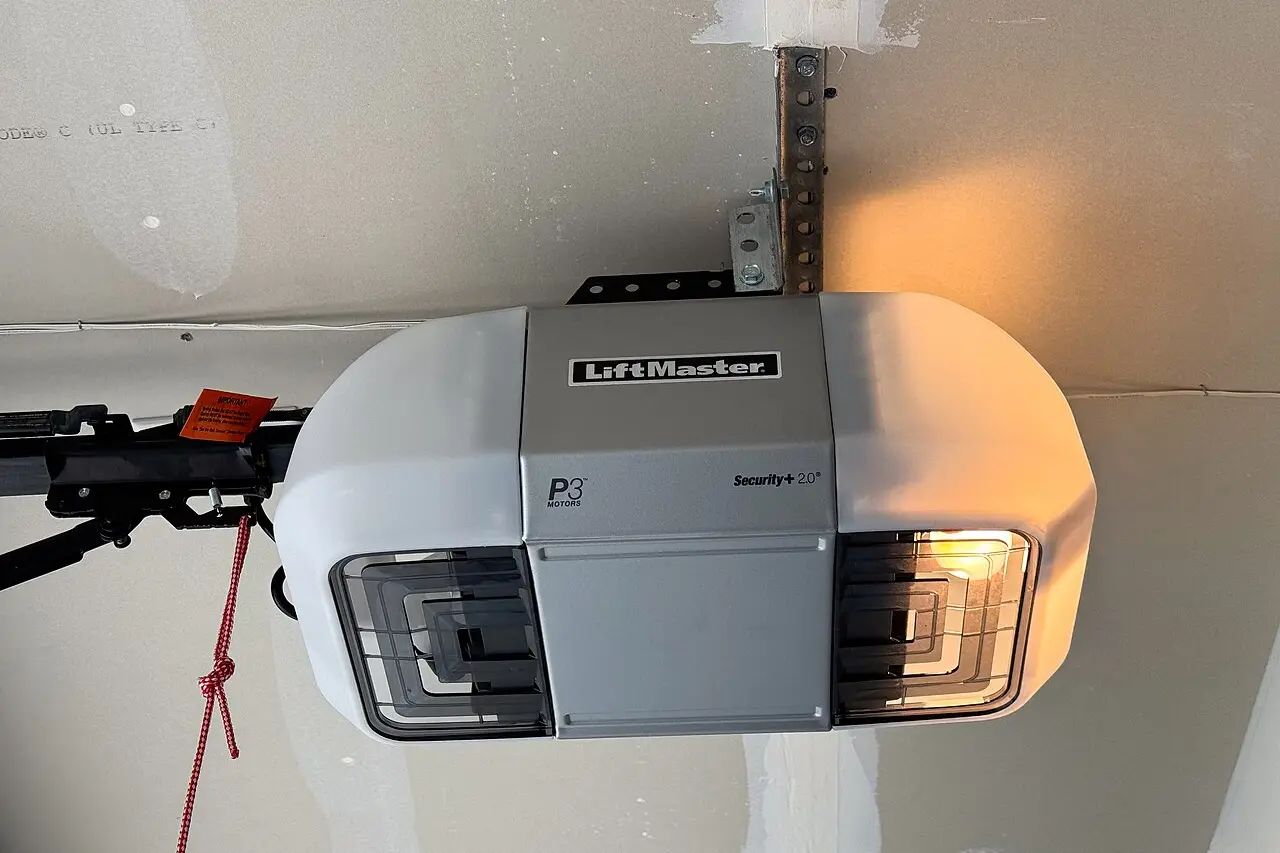
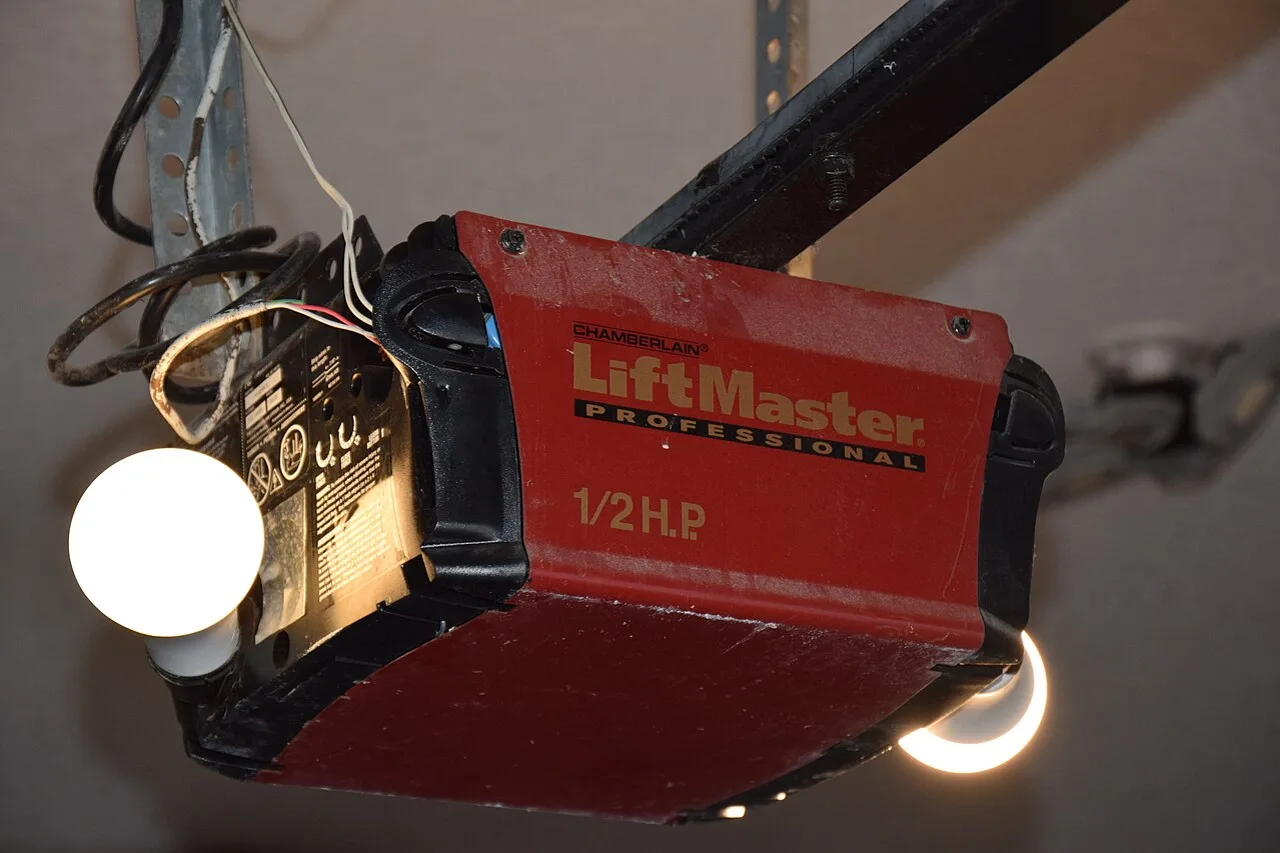
Around that core are the parts that guide and protect movement. Rollers, usually with steel or nylon tires and ball bearings, roll inside the tracks and carry the door around the curved transition from vertical to horizontal. Hinges flex at each section joint as the door rounds that curve. The opener — whether chain drive, belt drive, screw drive, or wall-mounted jackshaft — applies controlled force, watches resistance through its logic board, and stops or reverses if something feels wrong. Photo-eye safety sensors near the floor create an invisible beam across the opening, and an auto-reverse mechanism responds if the closing door contacts an obstruction. Repair work respects how connected these parts are: a bent track can strain an opener, a weak spring can fray a cable, and worn rollers can make a healthy opener sound labored.
- Torsion springs mount on a shaft above the opening and lift through drums and cables
- Extension springs stretch alongside the horizontal tracks and lift through pulleys
- Rollers and hinges guide each section through the vertical-to-horizontal curve
- A balanced door holds position at mid-travel when disconnected from the opener
- Safety sensors and auto-reverse are separate systems and both need testing after repair
Common Problems That Bring a Repair Call
Noisy operation is one of the earliest warnings. Squeaking often points to dry hinges, roller stems, or spring coils that need appropriate lubrication, while grinding or popping can mean worn roller bearings, a cracked hinge, or a spring that is nearing the end of its cycle life. A door that is loud only in one spot may be rubbing a track that has shifted or striking a loose bolt. Ignoring new noises rarely helps, because the extra friction behind the noise also adds load to the opener and accelerates wear elsewhere in the system.
Movement problems tell a different story. A door that hangs lower on one side, opens at an angle, or has a visible gap under one corner often has a stretched or slipped cable, a drum that has moved on the shaft, or uneven spring tension. A door that will not open at all, or that the opener strains against and then abandons, frequently has a broken spring — look for a visible gap in the torsion spring coil above the door. A door that closes partway and reverses may have dirty or misaligned photo-eyes, a track obstruction, or force settings that no longer match the door's actual resistance after parts have worn. Each pattern narrows the diagnosis, but only a hands-on inspection confirms it.
- New grinding, popping, or scraping sounds in one section of travel
- Door opens crooked, sags on one side, or leaves a gap at the floor
- Opener runs but the door does not move, or moves only a few inches
- Door reverses while closing with nothing visible in the doorway
- Visible fraying on a lift cable or a gap in the spring coil above the door
- Loose, cracked, or bent hinges, rollers that wobble in their stems
What a Thorough Diagnostic Visit Covers
A proper diagnosis begins with the door disconnected from the opener, when it is safe to do so, so the door itself can be judged without the opener masking problems. The technician lifts the door by hand to feel for binding, checks balance at several heights, and watches how the rollers behave in the curve of the track. Springs are examined for gaps, rust, and loss of tension. Cables are checked along their full length for frayed strands, especially near the bottom bracket where moisture collects. Drums, bearings, the center bearing plate, and the shaft are inspected for wear and movement, and tracks are checked for plumb, level, spacing, and tight fasteners.
The opener and safety systems get the same attention. The rail and drive are checked for sag, wear, and proper chain or belt tension. Travel limits and force settings are tested against how the door actually moves. Photo-eyes are cleaned, aligned, and confirmed to reverse the door when the beam is broken, and the contact reverse is tested with a solid obstruction placed on the floor under the door, following the method opener makers describe. Weather seal, bottom brackets, and panel condition round out the inspection. From that full picture, the professional can separate a simple adjustment from a part that has genuinely failed, instead of replacing parts one guess at a time. Call Now to connect with a local garage door professional.
- Manual balance test with the opener disconnected
- Full-length cable inspection, especially near bottom brackets
- Track alignment, spacing, and fastener check on both sides
- Opener force, travel limits, and drive tension evaluation
- Photo-eye and contact auto-reverse safety tests
Repairs for Springs, Cables, Rollers, and Tracks
Spring and cable work sits at the serious end of repair, and it needs to be described plainly: torsion and extension springs operate under high tension, lift cables carry the full load of the door, and the bottom brackets they attach to remain under tension even when the door is closed. Releasing or adjusting these parts without the correct winding bars, locking tools, and training can cause sudden, violent movement. This is not a do-it-yourself job. A professional replaces springs in matched sets where the design calls for it, sizes them to the door's weight and height so balance is correct, replaces frayed cables as a pair, and resets drums and tension evenly on both sides.
Roller, hinge, and track repairs are less dramatic but just as important to how the door feels every day. Worn rollers with flat spots or seized bearings are replaced with rollers rated for the door's weight, often with sealed bearings and nylon tires for quieter travel. Cracked hinges are swapped and fasteners are reset into sound material. Tracks that have been bumped by a vehicle or loosened from the jamb are realigned, respaced so rollers neither bind nor rattle, and re-secured. Small panel damage — a bent section edge, a damaged stile, a failed window insert — is assessed honestly: some sections can be repaired or individually replaced if the model is still supported, while widespread rust or cracked sections may point toward broader decisions covered on the replacement pages of this site.
- Springs sized to actual door weight and height, replaced to restore true balance
- Lift cables replaced in pairs when fraying or stretching is found
- Sealed-bearing rollers fitted where worn or noisy rollers are removed
- Tracks realigned and respaced for smooth passage through the curve
- Hinges and brackets replaced where cracking or elongation is visible
Opener-Related Repairs and Safety Checks
Not every repair is in the door itself. Openers fail in recognizable ways: a motor that hums but does not move the door may have a stripped main drive gear; a unit that works from the wall button but not the remote may have a receiver, logic board, or simple battery issue; a door that opens on its own or ignores commands can point to a failing logic board or interference affecting the radio controls. Short, repeated cycling, a trolley that travels without engaging the door, or a chain that sags and slaps the rail all call for specific checks rather than a blanket verdict that the opener is finished.
Any opener repair should end with safety verification, because settings disturbed during service change how the door behaves. Travel limits decide where the door stops at the floor and at full open; force settings decide how much resistance triggers a reversal. Both are reset to the door's real condition after door-side repairs, since a newly balanced door needs far less force than a door dragging on a broken spring. The technician also confirms the emergency release works, that the release cord is reachable, and that the door can be operated manually during a power outage. If an older opener lacks photo-eye sensors entirely — units made before modern safety requirements — that gap is worth discussing seriously, because no adjustment adds a protection the machine was never built with.
- Drive gear, trolley, and carriage inspection when the motor runs without lifting
- Remote, keypad, and logic board checks for signal and response problems
- Travel and force settings reset after any door-balance repair
- Emergency release function confirmed and manual operation demonstrated
- Older openers without photo-eyes flagged as a safety concern
How the Work Usually Proceeds
Describe the Symptoms
When you reach out, describe what the door does and when it started: the sounds it makes, where it stops, whether the opener light flashes, and whether anything recently struck or changed around the door. Clear symptoms help the professional arrive with the likely parts on hand and give the visit a focused starting point.
Full System Inspection
The professional inspects the complete assembly — springs, cables, drums, rollers, hinges, tracks, panels, opener, and safety sensors — and runs a manual balance test with the opener disconnected. You hear what was found in plain terms, separated into what affects safety or operation now and what is simply worn.
Repair and Adjustment
Agreed repairs are completed with parts matched to your door's size, weight, and configuration. Springs and cables are handled only with proper tensioning tools. After parts work, tracks are aligned, hardware is tightened, moving points are lubricated with products made for garage doors, and opener settings are matched to the repaired door.
Safety Testing and Walkthrough
Before finishing, the professional runs the door through several full cycles, tests the photo-eye reversal and contact reversal, checks the emergency release, and walks you through what was done and how the door should sound and feel. You also get simple guidance on what changes in noise or movement would deserve another call.