Garage Door Panel Replacement
A sectional garage door is built from horizontal panels joined by hinges, and that construction is forgiving in one useful way: damage often concentrates in a single section. A low speed bump from a vehicle, a ladder dropped against the door, storm debris, or years of sun and moisture can ruin one panel while the rest of the door remains sound. Panel replacement addresses that section alone, swapping the damaged piece for a matching one and reconnecting the hinges, rollers, and hardware that let it travel with its neighbors.
Matching is the heart of this service. Panels differ in thickness, profile, embossed pattern, insulation construction, texture, and color, and doors change across production years even within one product line. A replacement that is close in size but wrong in profile will not seal, align, or look right. A professional measures the existing door carefully, identifies the section position and construction, and confirms whether a true match exists before work is promised. When a match is available, a single section replacement can restore both appearance and function while the frame, tracks, springs, and opener stay in service.
Damage That Suits a Single Panel Swap
The classic case is impact damage low on the door. The bottom and second sections take most vehicle contact, bicycle scrapes, and snow shovel dings, and a section that is creased, cracked through, or bent at its edges often cannot be straightened convincingly. Cosmetic dents in the middle of a flat area sometimes respond to careful repair, yet damage that crosses an embossed panel pattern, breaks the steel skin, splits a composite surface, or distorts the section edge usually calls for replacement. Once the edge geometry changes, the section stops meeting its neighbors cleanly and weather seals stop doing their job.
Weather damage builds more slowly. On steel doors, rust that starts at the bottom edge where water sits can eat through the skin and weaken the section. On wood doors, rot at the lower rails and peeling that exposes raw material lead in the same direction. Insulated sections can suffer hidden harm when a cracked skin lets water into the core, adding weight and swelling the section out of shape. A professional distinguishes surface blemishes, which are cosmetic, from structural damage that changes how the section carries load, holds its hinges, and seals against wind and rain.
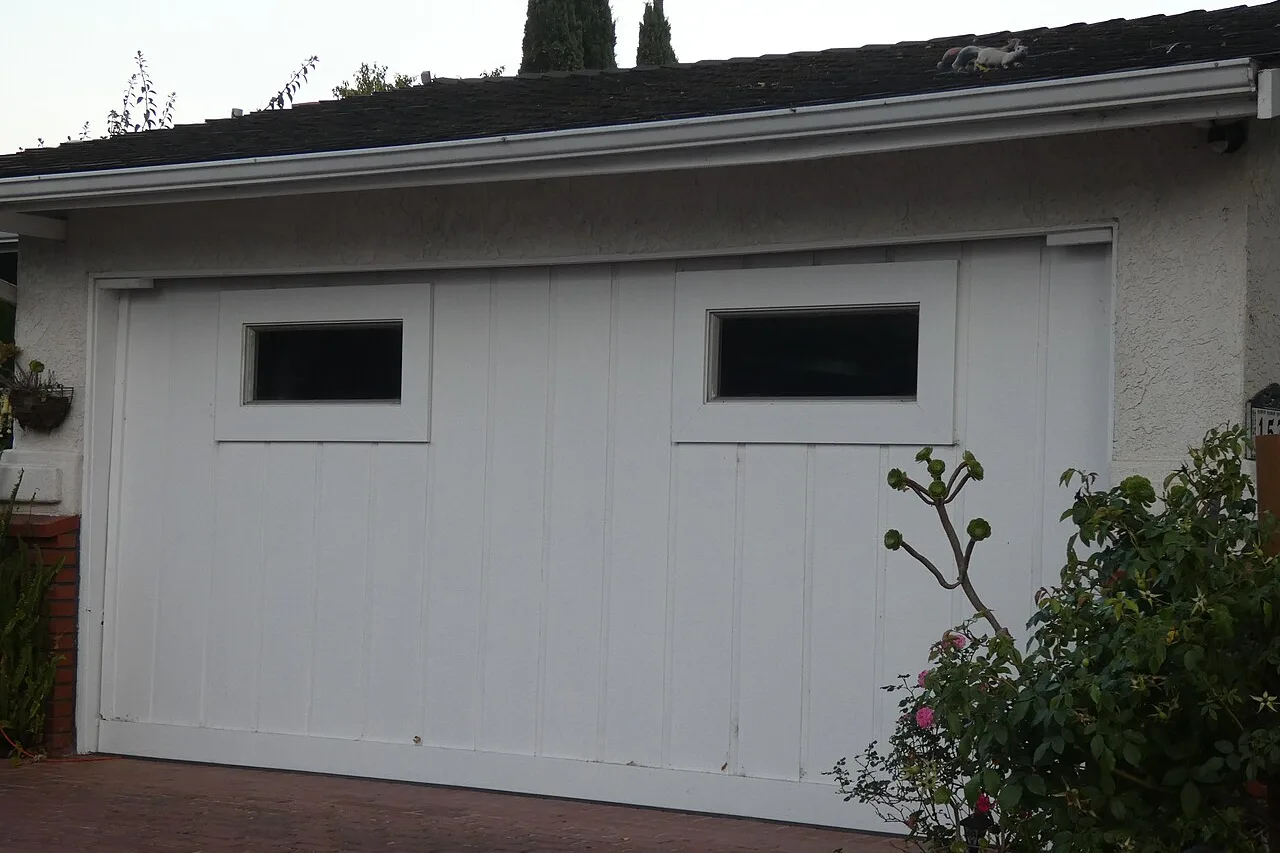
Window sections deserve a specific mention in this assessment. The section carrying windows is heavier than a plain section and includes glazing units, retainers, and seals of its own. A cracked pane alone may be a glazing matter, while a cracked frame around the pane is a section matter, and telling the two apart changes the whole scope of the work. Privacy and light also enter the conversation here: a damaged window section is sometimes the moment a homeowner chooses frosted or insulated glazing for the replacement, which is a straightforward change as long as the section pattern and construction still match the door around it.
- Creases or cracks crossing the raised panel pattern or section edges
- Rust that has eaten through the steel skin, usually near the bottom
- Rot in wood sections, especially along the lower rail
- A bent section that no longer meets the section above or below evenly
- Waterlogged insulation making a section heavy or swollen
- Damage concentrated in one section while the rest stays sound
Why the Bottom Section Is a Special Case
The bottom panel carries more responsibility than any other section. The bottom brackets attach to it, and those brackets anchor the lift cables, so the section is part of the tensioned lifting system. The bottom weather seal mounts along its lower edge, meeting the floor to keep out water, leaves, and pests. On many doors the lowest section also takes the direct force when the door closes onto anything left in the opening, and it lives closest to splash, slush, and standing water all year.
Replacing this section therefore involves more than unbolting hinges. Cable tension must be controlled by a professional before bottom brackets are disturbed, the new section must accept the same bracket hardware, and the seal must be fitted so it compresses evenly across the floor, including where the slab has settled unevenly. A replacement bottom section is also the moment to look honestly at the floor line itself, because a new seal against a badly heaped or cracked threshold will still leak air and water at the low spots.
- Bottom brackets and lift cables attach to the lowest section
- The bottom seal must compress evenly along the whole floor line
- This section faces the most water, salt, and impact exposure
- Bracket work involves tensioned parts and belongs to professionals
- Floor settlement can leave gaps even a new seal cannot close
- Struts may be fitted to a wide bottom section for stiffness
Matching Profile, Construction, and Finish
A sectional door is a visual system as much as a mechanical one. Raised panel patterns come in short and long panel layouts, flush and grooved designs, carriage style stampings, and several window arrangements. The replacement section must carry the same pattern at the same scale or the repair announces itself from the street. Construction matters just as much: a single layer steel section, an insulated section with a steel back, and a sandwich style section differ in weight, rigidity, and thickness, and a mismatched weight changes door balance and spring load.
Color is the subtlest part. White and almond doors yellow and chalk with sun exposure, painted doors fade unevenly, and a new section in the original factory color can still look brighter than its aged neighbors. Professionals discuss this honestly before ordering, and homeowners sometimes choose to paint the full door after a section swap so the finish reads as one surface. Where the exact pattern has been discontinued, options narrow, and a candid conversation compares a close pattern match, replacing two sections, or planning for a full door in the future. GarageReach USA connects homeowners with local professionals who can assess matching in person.
Texture deserves the same attention as pattern. Many steel doors carry a subtle wood grain embossing or a smooth finish, and a replacement section with the right raised panel layout but the wrong surface texture catches light differently from its neighbors every sunny morning. The inside face matters too, particularly on insulated doors, where the interior skin, its color, and the style of the center stiles show every time the door is open. A thorough matching check compares the door from the street, from inside the garage, and in raking light along the surface, because each view reveals a different kind of mismatch, and discovering one after fitting helps nobody.
- Panel pattern, scale, and window layout must match the existing door
- Section thickness and insulation build affect weight and balance
- Heavier or lighter sections can require spring adjustment
- New factory color may look brighter than sun aged neighbors
- Painting the whole door after a swap can unify the finish
- Discontinued patterns limit options and need an honest discussion
How a Panel Replacement Is Carried Out
The visit begins with measurement and identification: section height, door width, position of the damaged panel from the bottom, construction type, hinge and roller condition, and whether reinforcement struts are present. If the damaged section is the bottom one, the door is secured and cable tension is handled with proper tools before anything is unbolted. For a middle or top section, the door is typically secured in a safe position, the opener disconnected, and the sections above the damaged one supported so the stack stays controlled as hinges and hardware are separated.
The replacement section is set in place, hinges and rollers are refitted or renewed where worn, and the door is walked through its travel by hand to check that the new section articulates with its neighbors without binding, rubbing, or gaps at the joints. Struts removed from the old section are refitted or replaced so wide doors keep their stiffness against wind and opener force. Balance is checked again because section weight may have changed slightly, opener settings are confirmed, and the exterior is cleaned so the new panel can be judged fairly against the rest of the door in daylight.
- Measurements confirm width, section height, position, and build type
- The door is secured and the opener disconnected before separation
- Bottom section work includes professional handling of cable tension
- Hinges, rollers, and struts are refitted or renewed as needed
- Hand travel checks joints, clearances, and seal contact
- Balance and opener settings are verified after the swap
When Replacing the Whole Door Makes More Sense
Panel replacement is one option among several, and it is not always the right one. When two or three sections are damaged, when the pattern is discontinued with no acceptable match, or when the door shows widespread rust, rot, or fatigue across its hinges and sections, money and effort put into single panels may only delay a larger decision. Age matters as well: a door near the end of its working life, with a tired spring system and worn tracks, may not reward investment in one fresh section surrounded by aging parts.
Energy and use patterns can shift the answer too. A garage that has become a workshop, gym, or studio places more value on insulation and quiet operation than a garage used only for parking, and older uninsulated sections cannot be upgraded one panel at a time into a well insulated door. A professional assessment should lay these factors out plainly, describe what a section swap will and will not achieve, and leave the decision with the homeowner. The goal of this page is understanding, so the conversation starts from knowledge rather than pressure.
Timing can be a legitimate part of this decision. A door with one damaged section and general wear may still serve reliably for years after a section swap, and replacing it early simply because the pattern book changed would discard that service. Equally, a homeowner planning an exterior repaint, a driveway renewal, or a garage conversion within the next year or two may reasonably fold the door decision into that larger plan. The professional contribution is honest condition reporting for each section and system, so the timing choice rests on facts about the door rather than on optimism or pressure from either direction.
- Multiple damaged sections weaken the case for single panel work
- Discontinued patterns may leave no acceptable match
- Widespread rust, rot, or hinge wear points beyond one section
- An aging spring and track system changes the overall picture
- A converted garage may value insulation a single swap cannot add
- An honest assessment explains limits before any work is agreed
How the Work Usually Proceeds
Share Photos and Door Details
Send clear photos of the damage, the full door from the street, and any labels inside the door if they are easy to reach safely. Note which section is damaged, counting from the bottom.
Connect With a Local Professional
GarageReach USA matches you with an independent local professional who handles section replacement. Call Now to connect with a local garage door professional.
Matching and Feasibility Check
The professional measures the door, identifies the pattern and construction, and confirms whether a matching section exists, explaining color and finish differences honestly.
Section Swap and Full Travel Test
The damaged section is replaced with tension controlled where needed, hardware is refitted, and the door is balanced and cycled to confirm smooth, even travel.