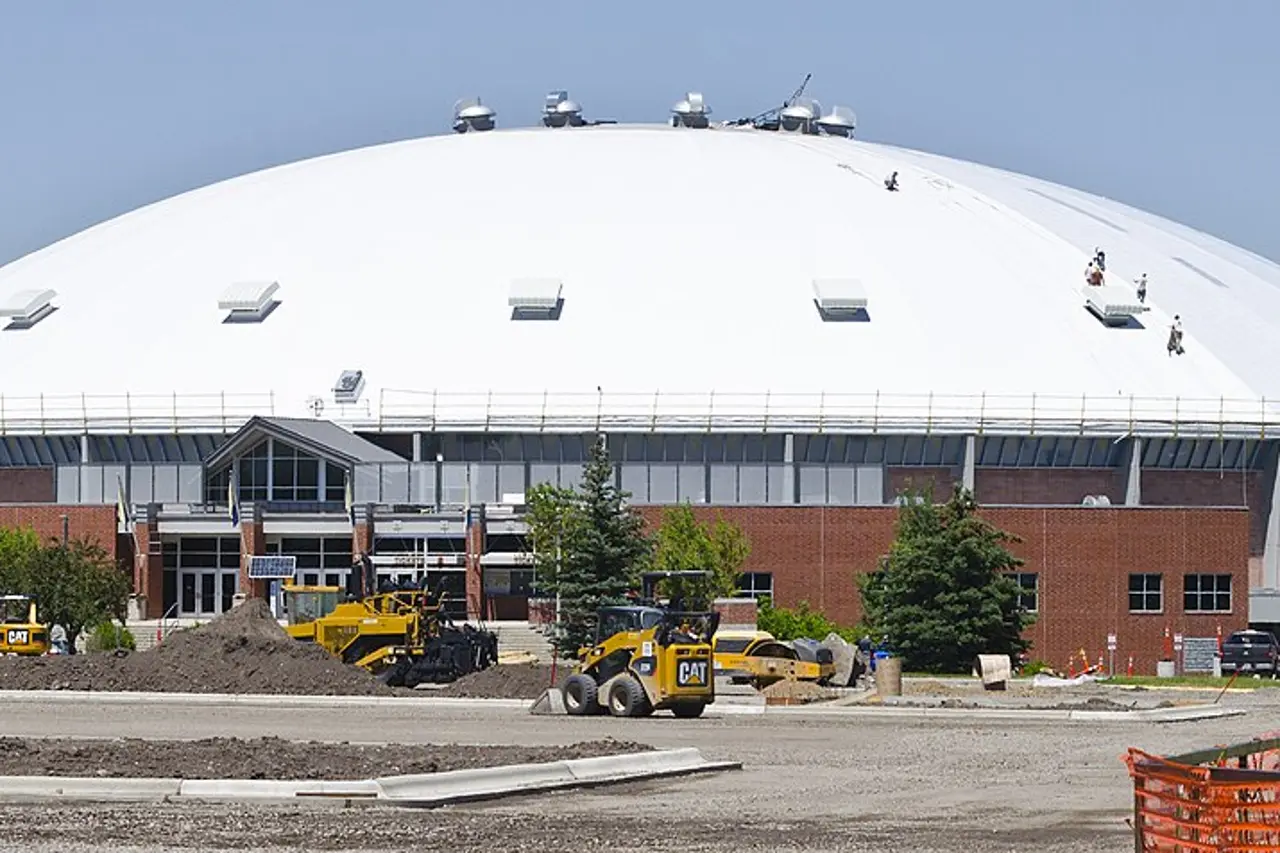
Commercial Garage Door Service
Commercial doors work a different life from the door on a house. A warehouse dock door may cycle fifty times before lunch, a service bay door may stand open in all weather while vehicles move through, and a storefront rolling door protects inventory every night. The hardware reflects that duty: larger springs rated for high cycle counts, heavier tracks, industrial operators, and safety devices designed around forklifts, trucks, staff, and customers moving through the opening all day.
Commercial Garage Door Service covers inspection, repair, and planned upkeep for these systems across warehouses, distribution sites, auto shops, fire and service buildings, retail premises, storage facilities, farms, and workshops. The priorities differ from residential work. Downtime blocks deliveries and revenue, a door stuck open is a security and weather problem, and a door that fails to close properly can affect heating, pests, insurance expectations, and staff safety. GarageReach USA connects businesses with independent local professionals who service commercial systems, so the conversation starts with the operation, not only the door.
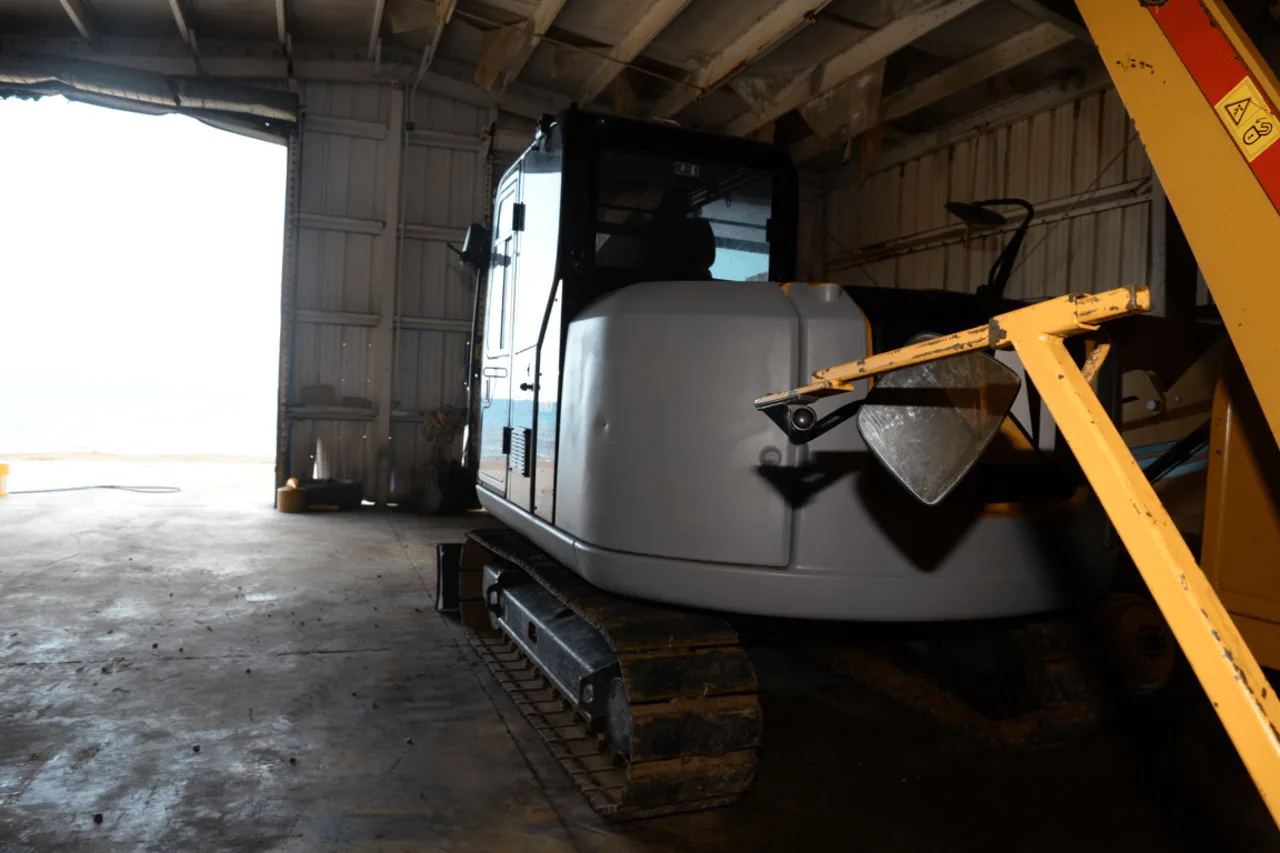
Commercial Door Types and How They Differ
Sectional steel doors are the workhorse of loading docks and service bays. Like larger cousins of residential doors, they travel on tracks and use torsion springs, but sections are often insulated, tracks are heavier gauge, and hardware is specified for many more cycles per day. Rolling steel doors coil above the opening instead of traveling back horizontally, which suits sites where ceiling space carries lights, cranes, sprinklers, or stored goods. Their slats interlock and wind onto a barrel, and their repair needs center on slat damage, guides, and the barrel and spring assembly.
Other sites use high speed fabric or rigid doors that open and close quickly to separate climates and keep traffic moving, counter shutters for service windows and concessions, fire rated doors that close automatically under alarm conditions, and security grilles that provide visibility with a barrier. Each type has its own operator, controls, and safety arrangements. Service begins by identifying what is installed, how heavily it cycles, and what role the opening plays in the working day, because a seldom used storage door and a main dispatch dock door deserve different urgency and different upkeep intervals.
The area around the door matters as much as the door itself. Dock levelers, bumpers, wheel chocks, guide curbs, and vehicle restraints all interact with door operation, and damage or wear in any of them shows up as door trouble: a leveler lip that no longer sits flush changes how trucks meet the opening, and worn bumpers let trailers press closer to the door face than the design allows. A service visit that looks only at the door misses this context. Experienced commercial professionals walk the full dock or bay, watch a vehicle cycle if timing allows, and note where traffic patterns, turning space, or housekeeping habits are quietly working against the equipment the business depends on.
- Sectional steel doors dominate docks and service bays
- Rolling steel doors coil overhead where ceiling space is limited
- High speed doors separate climates and keep traffic flowing
- Fire rated doors close automatically under alarm conditions
- Counter shutters and grilles serve windows and storefronts
- Cycle count per day drives hardware specification and service needs
Operators, Controls, and Safety Devices
A commercial operator does far more than move the door. It may respond to push buttons, pull cords, remote controls, key switches, vehicle detectors, or access systems, and it often includes a timer that closes the door after a set interval. Duty class matters: an operator built for a handful of cycles per hour will overheat and fail in a busy dock, while a properly rated unit with the right horsepower and drive type handles the rhythm of the site. Chain, belt, and direct drive arrangements each suit different door sizes and environments.
Safety devices are not optional extras in a workplace. Photo eyes or monitored sensing edges stop or reverse a closing door when the path is blocked, warning lights and alarms announce movement, and manual release arrangements let staff move a door during a power outage without creating a hazard. Fire doors add fusible links or alarm interfaces that must be tested on a schedule. A service visit checks that these devices actually function, that sensing edges reverse the door on contact, and that controls are placed where operators can see the doorway while using them.
- Operators are rated by duty cycle as well as door size
- Controls range from push buttons to vehicle detection loops
- Monitored photo eyes and sensing edges guard the doorway
- Warning lights and alarms announce door movement
- Manual release arrangements matter during power outages
- Fire door release devices require scheduled functional testing
What Downtime Really Looks Like for a Business
When a commercial door stops working, the impact spreads quickly. A dock door stuck closed delays inbound stock and outbound orders, and staff improvise with other doors that then carry traffic they were not planned for. A door stuck open in winter pours heated air out of the building, invites pests and weather in, and may leave goods and equipment exposed overnight. A door that closes but does not seal or lock creates a quieter problem that can go unnoticed until stock damage or a security incident reveals it.
Planning reduces all of this. Sites with several doors benefit from knowing the age, cycle load, and condition of each one, so weak springs, worn rollers, and tired operators are addressed during scheduled windows instead of during the busiest delivery hour. Keeping a simple door log, noting unusual noises, slow travel, impact incidents, and the dates of service visits, gives the professional a head start on diagnosis. Forklift contact is a leading cause of sudden commercial door damage, and recording even minor bumps helps explain a door that later runs out of true.
Communication habits inside the business make a measurable difference to door life. Sites where any staff member can report a problem through one clear channel, and where the report is logged with the date and door identity, catch faults while they are minor. Sites where a grinding noise is mentioned in passing and forgotten tend to meet that same fault again as a breakdown. Numbering doors visibly, keeping one shared log, and making the out of service procedure simple enough to follow at the busiest hour are management steps, yet they protect the mechanical system as surely as any part fitted during a service visit, because most door damage grows from small, noticed, unreported beginnings.
- A stuck closed door disrupts deliveries and dispatch
- A stuck open door affects security, heating, and pests
- Poor sealing can damage stock quietly over time
- A simple condition log per door speeds up diagnosis
- Recording minor forklift bumps explains later misalignment
- Planned service windows beat mid rush breakdowns
What a Commercial Service Visit Covers
A commercial visit typically starts with the operational picture: which doors are critical, what symptoms staff have noticed, and any incidents since the last visit. The professional then cycles each door, watching travel, listening to the operator, and testing safety reversal and sensing devices. Springs are assessed for fatigue and correct balance, cables are checked for fraying and seating, tracks and guides are measured for alignment and impact damage, and rollers, hinges, bearings, and weather seals are inspected across the full height of the door.
Findings are usually presented by urgency, separating anything that affects safety or security from wear items that can be scheduled. Repairs may include spring or cable replacement, operator repair or adjustment, track realignment, slat or section replacement, and renewal of seals and sensing hardware. For multi door sites, the professional can help sequence work so the busiest doors are handled in the least disruptive order. Clear written notes after the visit help managers plan budgets and schedules without any discussion needing to happen under the pressure of a blocked dock.
Documentation after a commercial visit is worth asking for in a form your team can actually use. A short entry per door, covering the date, the work completed, the safety test results, and the items flagged for the next window, lets a new facility manager inherit the full picture without relying on memory or scattered invoices. Photographs of nameplates and of any damaged areas add lasting value, because they settle questions about door models and hardware specifications long after the visit. Businesses that keep this record in one shared place find that every later conversation, whether about scheduling, budgeting, or a sudden failure, starts several steps ahead of where it otherwise would, and the professional returning to the site can prepare parts and access before arriving rather than diagnosing from a blank page.
- Visits start with which doors matter most to the operation
- Each door is cycled and its safety devices are tested
- Springs, cables, tracks, guides, and seals are inspected fully
- Findings are sorted into urgent and schedulable items
- Work is sequenced around the busiest doors and hours
- Written notes support planning for the next service window
Scheduled Service Programs for Busy Sites
Commercial doors reward routine attention because their cycle counts compress years of residential wear into months. A scheduled program sets inspection intervals based on use: a main dock door cycling constantly deserves more frequent visits than a rear storage door opened weekly. Between visits, staff can help by keeping tracks and guides clear of pallets and debris, reporting new noises or slower travel promptly, and never disabling a safety device to keep a door moving. A sensing edge that gets taped or bypassed removes the protection it exists to provide.
Seasonal timing helps too. Doors checked before winter avoid the worst combination of cold stiffened hardware, ice at the threshold, and peak delivery pressure. Sites in coastal or dusty environments may need attention to corrosion and grit more often. The right program is a conversation between the facility manager and the professional, shaped by door count, age, traffic, and how the business runs. GarageReach USA can connect you with a local professional to start that conversation for your site.
For businesses with several sites, consistency across locations multiplies the benefit of good records. When each site logs door types, operator models, spring specifications, and service dates in the same format, a professional can spot that one location is consuming springs or rollers far faster than its sister sites and investigate the local cause, whether that is traffic volume, a particular vehicle type, or an environmental factor such as a dusty process nearby. That fleet view also simplifies planning, because doors of the same age and duty tend to reach wear points together, and scheduling their attention in a planned sequence is calmer than meeting each one as a surprise.
- Inspection intervals should follow cycle counts, not habit
- Staff reports of new noises catch problems early
- Safety devices must never be bypassed to keep working
- Pre winter checks reduce cold weather breakdown risk
- Coastal and dusty sites need closer corrosion attention
- Programs adapt to door count, age, and site traffic
How the Work Usually Proceeds
Describe Your Site and Doors
Share how many doors you have, what type they are if known, how heavily they cycle, and which door matters most to daily operations. Mention any door currently out of service.
Connect With a Local Professional
GarageReach USA connects businesses with independent local professionals for commercial service. Call Now to connect with a local garage door professional.
Site Inspection and Priority Report
Each door is cycled, safety tested, and inspected, and findings are sorted into urgent items and work that can be scheduled around your operation.
Repairs and a Service Rhythm
Agreed repairs are completed in a sequence that limits disruption, and a sensible inspection interval is set based on cycle counts and door condition.