Emergency Garage Door Repair
Garage door failures rarely choose a convenient moment. A spring lets go as you are leaving for work, a cable snaps with the car still inside, or a door comes off its track late at night and hangs over the driveway. Emergency Garage Door Repair is for the situations that cannot wait for a routine appointment: a door that will not close and leaves the home open, a door that will not open and traps a vehicle you need, or a door in a position that is physically unsafe for anyone to pass under.
Knowing what to do in the first few minutes protects both people and the door itself. The wrong move, such as forcing a crooked door, running the opener repeatedly, or ducking under a hanging section, can turn a single failed part into bent sections, torn tracks, and a much larger repair. This page explains how to judge urgency, how to secure the scene calmly, which failures cause most emergencies, and what a professional does on arrival, so a stressful moment has a clear shape.
What Counts as a Garage Door Emergency
Urgency comes from security, access, and safety. A door stuck open, or one that opens but will not stay closed, leaves the home exposed to weather, animals, and unwanted entry, and many homes have an interior door from the garage that was never meant to be the main barrier. A door stuck closed is less dramatic but just as urgent when a vehicle needed for work, school, or medical reasons is trapped inside and the manual release does not produce a door that can be lifted safely by hand.
Safety emergencies sit at the top of the list. A door hanging at an angle, a roller out of its track, sections visibly buckled, or a door that dropped suddenly and now sits unevenly should be treated as unstable. So should a broken spring on a door that someone is tempted to lift anyway: without the spring carrying the weight, even a modest door is far heavier than it appears and can fall if grip is lost. When in doubt, judge by position and behavior rather than by the clock. An unstable door at midday deserves the same prompt response as one at midnight.
- Door stuck open or unable to stay closed and latched
- Vehicle trapped inside with no safe manual way out
- Door hanging crooked or a roller out of its track
- Sudden drop, loud bang, or visibly broken spring
- Buckled or separated sections that look unstable
- Door reversed off an obstruction and now travels unevenly
The First Fifteen Minutes: Securing the Scene
Start by stopping. If the door is moving strangely, making new grinding or snapping sounds, or sitting at an angle, do not run the opener again to see if it clears. Each extra cycle can pull rollers further out, bend sections, or strain the opener. Keep everyone, especially children and pets, out of the doorway and out of the garage bay beneath a hanging door. If the door is stuck partly open, treat the opening as a hazard zone rather than a shortcut, and use another entrance to the home.
If the door is stuck open and security is the concern, simple steps help while you wait: use the interior door between the garage and the home and check that it is shut and locked, move valuables out of sight, and if the home has exterior lighting or a lockable side gate, put them to use. Avoid wedging, clamping, or propping a damaged door with improvised materials, because a door under spring tension can move without warning. Photograph the door from a safe distance, note any broken parts you can see without approaching, and share that with the professional so the right equipment travels with them.
While help is on the way, a few practical arrangements reduce the stress of the wait. If the garage must stay open, bring bicycles, tools, and anything portable of value inside the home, and let household members know the doorway is out of bounds until the door is secured, so nobody ducks under it out of habit. Dogs and cats should be kept in the house, since a partly open garage is an inviting exit. If weather is arriving with the door open, position vehicles and stored items away from the opening where rain or snow will blow in, and place containers under any drip lines from a roof edge above the doorway.
- Stop running the opener when travel looks or sounds wrong
- Keep people and pets clear of the doorway and the bay
- Use another entrance rather than passing under a hanging door
- Lock the interior door if the garage must stay open
- Do not wedge, clamp, or prop a damaged door yourself
- Photograph damage from a safe distance for the professional
Sudden Failures Behind Most Emergency Calls
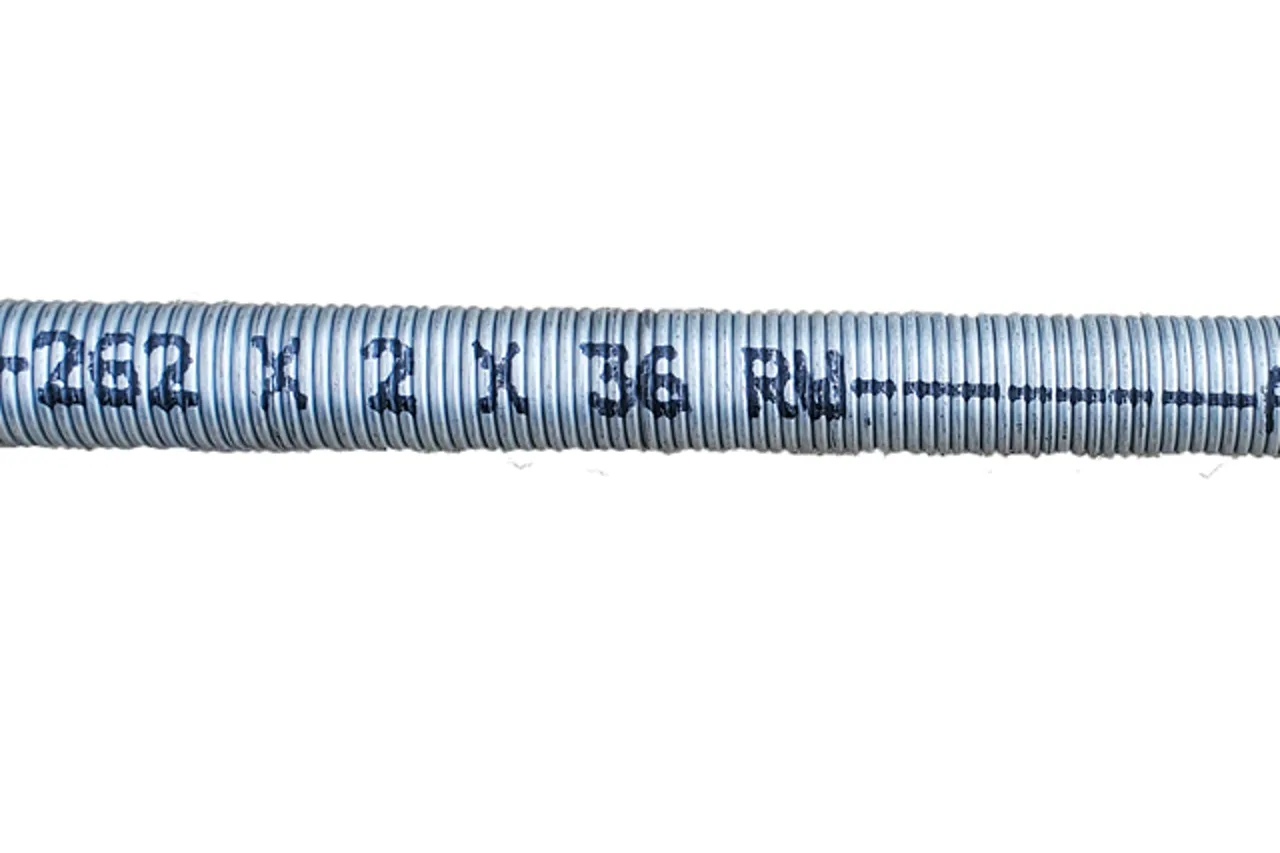
The broken spring is the most familiar emergency. Springs work under constant load and eventually reach the end of their cycle life, often announcing the moment with a loud bang from the garage. The door then becomes extremely heavy, the opener may strain briefly and stop, and one or both cables can go slack or leave their drums as tension is lost. Lifting a door with a broken spring is a common cause of injury and further damage, because the full weight is suddenly in human hands.
Cable failures produce the crooked door: one side keeps lifting while the other sags, rollers lean or pop out, and sections bind in the tracks. Opener failures create a different pattern, where the motor runs but the door barely moves, the trolley travels without the door, or the door does not respond at all after a storm or outage. Impact damage rounds out the list, when a vehicle catches a section or track. Each failure has a distinct safe response, and a professional diagnosis matters because symptoms overlap: a door that will not open may have a spring problem, an opener problem, or both.
Impacts deserve their own note because they often look smaller than they are. A vehicle that catches a section at low speed can bend the section skin, shift a track bracket, crack a hinge, and disturb cable seating in the same moment, while leaving damage that appears to be one dent. The door may even keep working for days before a weakened hinge or a cable riding at the edge of its drum completes the failure. For that reason any impact beyond a trivial brush is worth a professional inspection, and telling the professional exactly where contact happened directs attention to the hardware behind the visible mark.
- Broken springs make doors extremely heavy without warning
- Slack cables after a spring break can leave their drums
- A snapped cable leaves the door lifting crooked on one side
- Opener failures include motors running without door movement
- Storms and outages can leave openers needing a reset or repair
- Vehicle impacts bend sections and knock tracks out of line
What Happens on an Emergency Visit
The first task on arrival is making the door safe and stable. Depending on the failure, the professional may support the door, return it carefully to a closed position, or secure it where it sits before any parts are touched. Only with the door controlled does diagnosis proceed: springs and cables are examined, tracks and rollers checked for secondary damage, and the opener tested to see whether it was a cause, a casualty, or uninvolved. This order matters because repairing a spring on a door with a bent track simply loads the new parts into a faulty system.
Repairs then follow the diagnosis, and many emergencies are resolved in that visit with standard parts such as springs, cables, rollers, hinges, or opener components fitted and tested on the spot. Where a section is badly damaged or a part is uncommon, the professional will secure the door in a safe, closed position where possible and arrange the follow up. Either way, the door is cycled several times before the visit ends, balance and safety reversal are checked, and you are told plainly what failed, what was done, and anything that deserves watching.
Some emergencies end with the door safe rather than fully repaired, and that outcome is a success, not a shortfall. A door that has left its tracks with bent sections, an oversized commercial style door in a home workshop, or a failure involving parts that must be matched to an older door can all require a second visit with specific materials. What matters on the first visit is that the opening is secure, the door is stable, the home is protected from weather and entry, and the plan for completing the repair is explained clearly, including anything the household should avoid doing with the door in the meantime.
- Stabilizing and securing the door comes before repair
- Diagnosis checks for secondary damage beyond the failed part
- Common parts are often fitted and tested in the same visit
- Uncommon parts may mean securing the door and a follow up
- Balance and safety reversal are checked before finishing
- You receive a plain explanation of the failure and the work
Reducing the Odds of the Next Emergency
Most emergencies grow from wear that was visible earlier. Springs give hints through a door that feels heavier, gaps appearing between spring coils, or an opener that sounds strained. Cables fray and rust before they snap. Rollers grow louder as bearings dry. A professional maintenance visit once a year, and a simple monthly look at cables, springs, and door balance by the homeowner, catch much of this while it is still a planned repair rather than a midnight problem.
Homeowners can also prepare for the day something does fail. Know where the manual release cord is and what it does, but only use it in an emergency with the door fully closed whenever possible, since releasing a door with a broken spring can let it fall. Keep the area inside the garage clear enough to reach the interior door, and store this page or a contact route where family members can find it. Preparation does not prevent wear, yet it turns a future failure into a handled event instead of a crisis.
- Heavier feel and coil gaps hint at tiring springs
- Fraying and rust precede most cable failures
- Annual professional maintenance catches wear while it is minor
- Know the manual release, and respect its limits
- Keep a clear path to the interior door of the home
- A monthly visual check takes only a few minutes
How the Work Usually Proceeds
Make the Area Safe First
Stop using the opener, keep everyone clear of the doorway, and lock the interior door if the garage must remain open. Do not try to force, lift, or prop a damaged door.
Connect With a Local Professional
Describe the door position, any loud bang or visible broken part, and whether a vehicle is trapped. Call Now to connect with a local garage door professional.
Stabilize, Diagnose, Repair
The professional secures the door, finds the failed part and any secondary damage, and completes the repair where standard parts allow, testing balance and reversal before leaving.
Understand What Failed
You receive a plain explanation of the cause and any wear items to watch, so the emergency also becomes a chance to prevent the next one.