Garage Door Maintenance & Tune-Up
A garage door is the largest moving object in most homes, and for many households it is also the most used entrance, cycling several times a day through every season. Garage Door Maintenance & Tune-Up is the scheduled care that keeps that system dependable: a methodical inspection of springs, cables, rollers, hinges, tracks, and opener, paired with lubrication, balance testing, safety checks, and small adjustments before wear turns into a breakdown.
Unlike a repair visit, which answers a specific failure, a tune up asks a broader question: what is the condition of the whole system right now, and what deserves attention soon? Doors rarely fail without earlier signals, such as a cable beginning to fray, bearings drying out, a track drifting on loose brackets, or a spring losing strength so gradually that the opener absorbs the difference. Regular professional maintenance finds those signals while the response is still simple, and it gives homeowners a clear picture of the door they rely on every day.
What a Full Tune-Up Inspection Covers
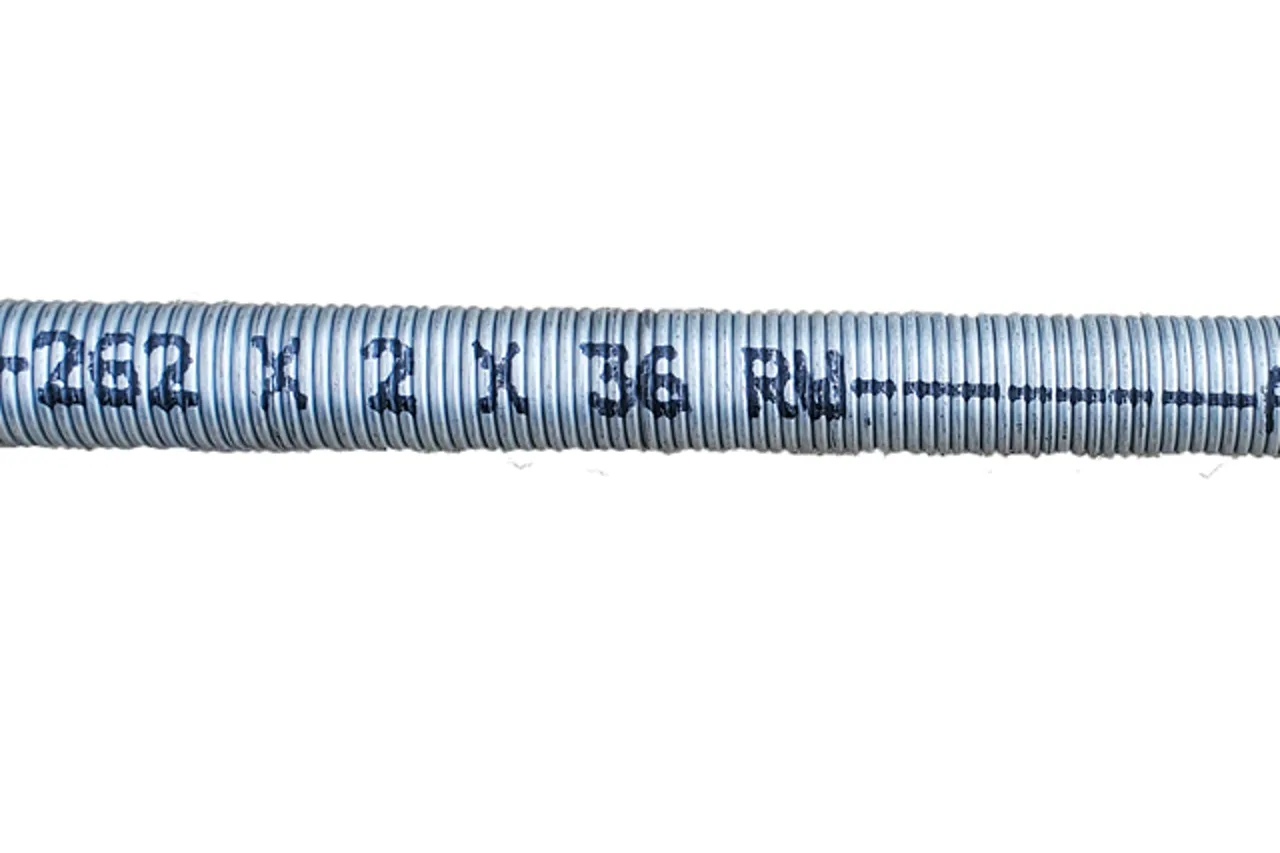
A thorough inspection works through the door in a logical order. It starts with the lifting system: spring condition and coil spacing, cable condition along the full run, drum or pulley wear, bearing movement, and the bottom brackets where cables anchor. It moves to the moving hardware: every hinge for cracks and tightness, every roller for bearing smoothness, wheel condition, and stem straightness, and the track system for plumb, spacing, bracket security, and rust or damage. Sections are checked for cracks, bends, loose windows, and failing seals.
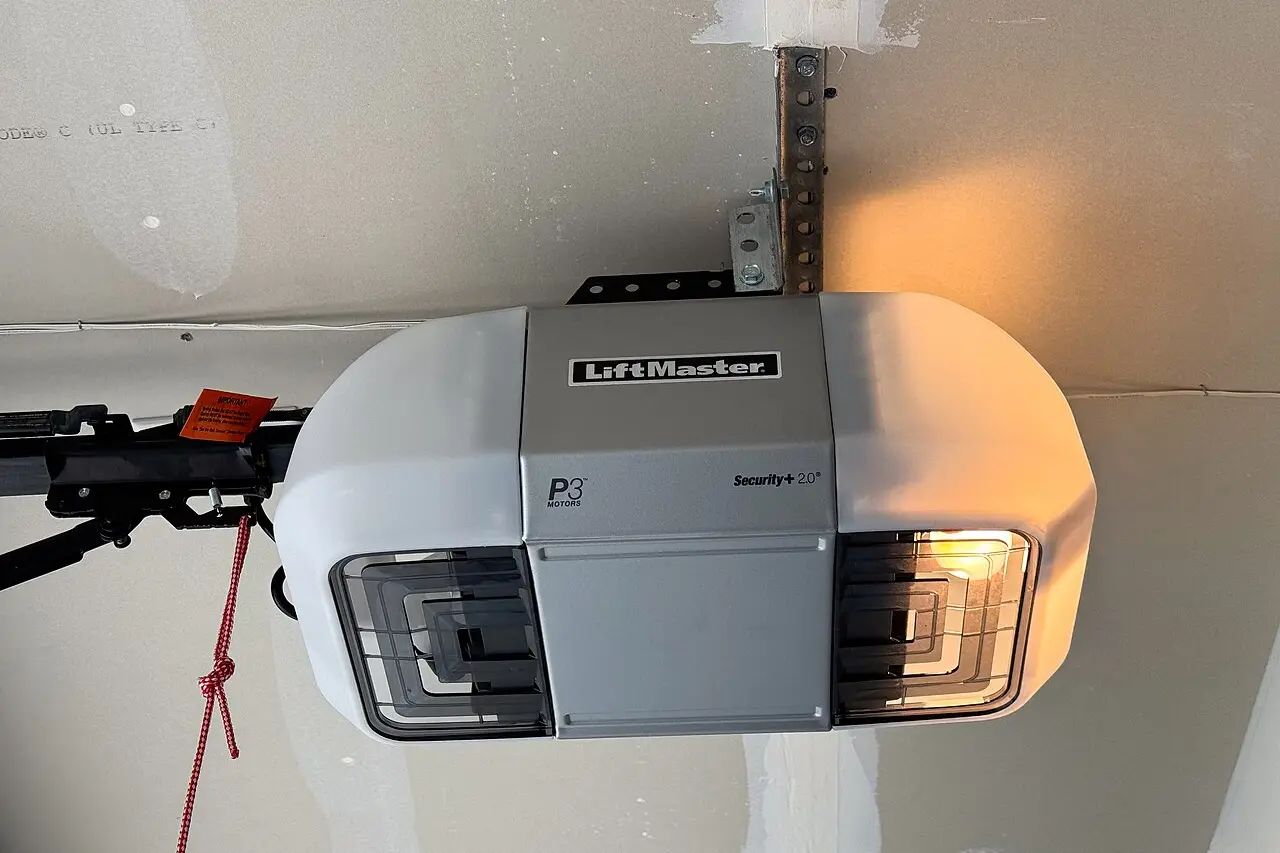
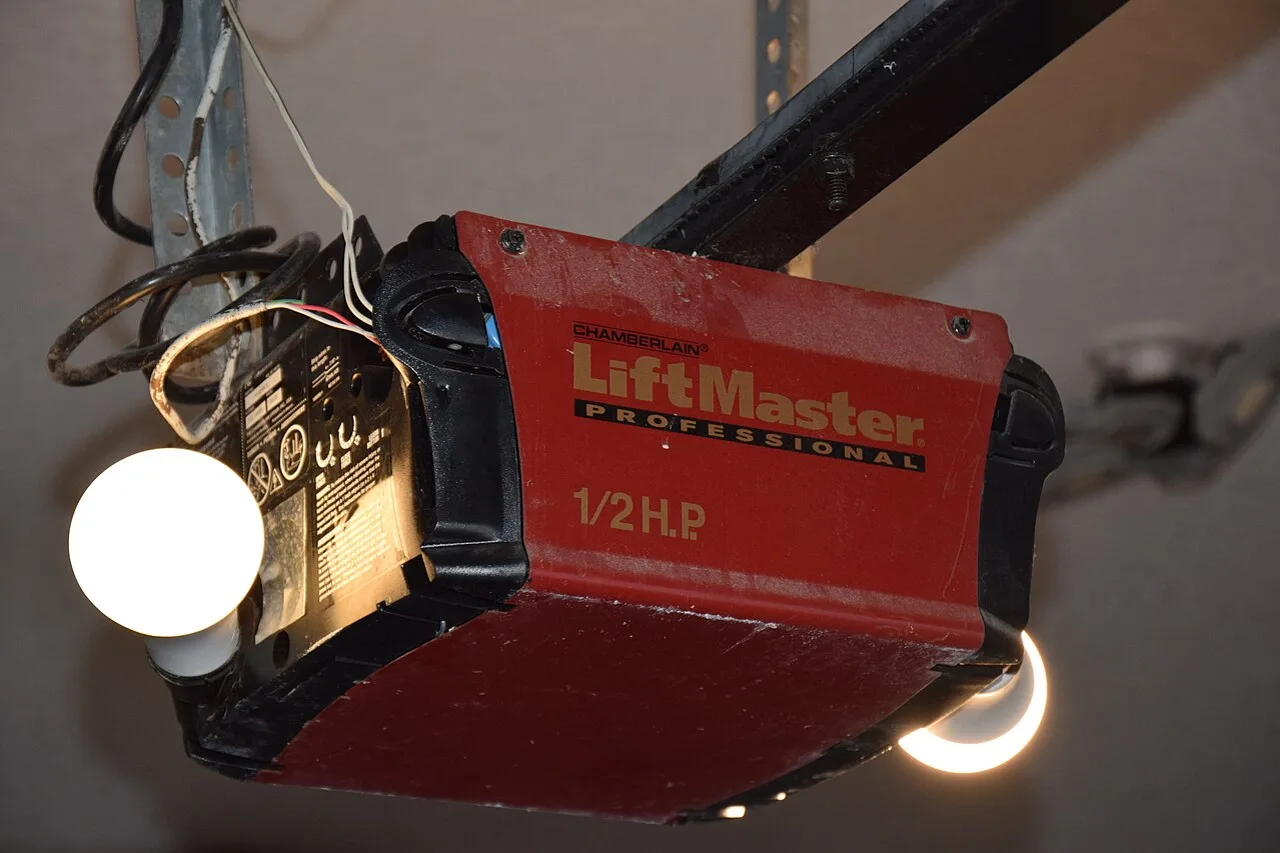
The opener receives the same attention. The professional checks the drive type and its wear, the rail and trolley connection, the reinforcement where the arm meets the door, travel limits, force settings, and the condition of remotes, keypads, and wall controls. Photo eyes are cleaned and aligned, and their wiring is examined for brittleness or pest damage. Fasteners across the system are tightened where needed, because vibration through thousands of cycles loosens hardware gradually. The visit ends with the door cycled several times and a plain summary of condition, including anything that is worn but still serviceable.
Records turn individual visits into a maintenance history, and history changes the quality of every later decision. A simple file, even a note on a phone, holding the date of each tune up, the parts renewed, the balance result, and any items flagged for watching lets the next professional start from knowledge rather than from scratch. It also reveals rhythm: a door that needs track adjustment every autumn is reporting something about its building or its floor, and a spring flagged as tired in one visit and unchanged a year later deserves a direct conversation. Homeowners who keep this record, and hand it over when a home changes hands, give the door a continuity of care that shows in how few surprises it produces.
- Springs, cables, drums, pulleys, and bearings inspected first
- Every hinge and roller checked for cracks, wobble, and wear
- Tracks measured for plumb, spacing, and bracket security
- Sections, windows, and seals examined along the full door
- Opener drive, rail, arm connection, and settings checked
- Loose fasteners tightened across the whole system
Balance and Safety Tests That Matter
The balance test is the centerpiece of a tune up. With the opener disconnected and the door lifted by hand to about halfway, a properly balanced door should stay near that position rather than falling or shooting upward, because the springs are carrying the weight they are meant to carry. A door that sinks has weakening springs or added weight, perhaps from waterlogged insulation; a door that flies up is over sprung or has lost section weight. Imbalance is the quiet cause behind opener strain, cable wear, and doors that feel different from one month to the next.
Safety testing checks the systems that protect people, pets, and vehicles. Photo eyes must stop and reverse a closing door when the beam breaks. The mechanical auto reverse must respond when the door meets resistance near the floor. The manual release must disconnect the opener and allow controlled hand operation. Force and travel settings are verified so the door closes fully without slamming and opens fully without strain. These tests take minutes, yet they confirm functions that families rely on daily and rarely think about until something goes wrong.
The visit also creates a baseline for judging change, which is easy to overlook until the day something feels different. A door whose balance, sounds, and travel were all recorded as healthy last season gives you a comparison point when a new noise appears or the opener begins sounding strained: you know the change is real, roughly when it began, and that the system was not simply always that way. That is one reason professionals note measurements and impressions rather than only the tasks completed. For the homeowner, the baseline is reassurance with substance, because quiet confidence in a door used several times a day should rest on a recent, complete inspection rather than on the absence of a breakdown so far.
- A balanced door holds position when lifted halfway by hand
- A sinking door points to weakening springs or added weight
- Photo eyes are tested for stop and reverse response
- Auto reverse is checked against resistance near the floor
- Manual release operation is confirmed for outages
- Force and travel settings are verified at both ends
Lubrication Done Properly
Lubrication sounds simple, and doing it well is mostly about choosing the right product for each part and using it sparingly. Springs benefit from a light coating that keeps coils moving against each other and slows surface rust. Hinges, roller bearings, and bearing plates need small amounts at their pivot points. The opener rail and drive follow their own guidance depending on type. A suitable garage door lubricant is made for these parts; heavy grease and general purpose penetrating oils tend to attract grit, drip onto the door and floor, or dry into a sticky film that adds friction.
Just as important is what does not get lubricated. Track interiors should stay clean and dry so rollers roll rather than slide and grit has nothing to stick to. Weather seals need cleaning and inspection rather than oil. During a tune up, old hardened residue is wiped away before fresh lubricant is applied, so new product is not layered over the dirt that caused the stiffness. Homeowners who lubricate between visits can follow the same points lightly, taking care to keep clear of tensioned parts and to use only a small amount at each location.
Accessories and backup systems belong in the same service conversation. A battery backup that has never been tested may hold far less charge than its indicator suggests, and its battery ages whether or not outages occur. Keypads exposed to weather lose their seal and their key legends, remotes accumulate pocket wear, and smart controls depend on a home network that changes whenever a router is replaced. A tune up that confirms each access method actually opens and closes the door, rather than assuming the one used daily represents them all, prevents the peculiar frustration of a healthy door that one family member cannot operate during an outage or a lockout.
- Light, suitable lubricant on springs, hinges, and bearings
- Old hardened residue is removed before fresh application
- Heavy grease attracts grit and can add friction over time
- Track interiors stay clean and dry rather than oiled
- Weather seals are cleaned and inspected, not lubricated
- Small amounts at pivot points beat heavy coating anywhere
Small Adjustments With Outsized Effects
Much of a tune up value lies in modest corrections made at the right moment. A track bracket tightened and a track returned to plumb stops a roller from grinding at one height. A hinge screw seated properly ends a section rattle. Opener travel adjusted by a small margin lets the door seal at the floor without the motor straining at the end of every close. A photo eye realigned by a fraction ends weeks of a door reversing on sunny afternoons when light confused the sensor.
Individually these are minor items, and that is the point. Doors accumulate small deviations the way a car accumulates small misalignments, each one adding friction, noise, and wear to its neighbors. Correcting them on a schedule keeps the whole system inside its intended tolerances, so springs, cables, and the opener share the work as designed. The professional notes what was adjusted and what is wearing, giving the homeowner a realistic sense of what the next year is likely to hold for the door.
- Track realignment stops rollers grinding at one height
- Seated hinge hardware ends section rattles and looseness
- Travel adjustment lets the door seal without motor strain
- Photo eye alignment ends unexplained reversing
- Small corrections keep wear from spreading to other parts
- Notes from each visit build a useful history for the door
How Often Service Makes Sense
For a typical household door, a professional tune up once a year is a sensible rhythm, timed perhaps before winter in cold regions or before storm season in coastal ones. Doors that serve as the main entrance for a busy family, cycling many times daily, wear faster and may suit attention more often, because springs and rollers measure their lives in cycles rather than calendar years. A door on a vacation property sits at the other extreme for use, yet its seals, lubrication, and battery backed accessories still age with time and weather.
Between professional visits, a homeowner routine keeps the system observed: a monthly visual look at cables and springs without touching them, a quick listen for new sounds, a check that the door seals evenly at the floor, and a test of the photo eyes using a cardboard box in the doorway. Any change noticed in that routine is worth mentioning at the next visit, or sooner if the door feels heavy, travels unevenly, or starts reversing. Maintenance works as a partnership between scheduled professional care and simple attention at home.
Second homes, rental properties, and doors used by several households add a coordination layer to maintenance. A vacation property door may sit for weeks between cycles, so seals take a set, lubricant films dry unevenly, and battery backed accessories discharge quietly; a service rhythm built around the occupancy calendar works better there than a fixed annual date. Rental properties benefit from a brief door orientation for tenants, covering the manual release, the sensor location, and who to contact when behavior changes, because early reporting by the person who uses the door daily is the earliest warning system any property can have.
- Annual professional service suits most household doors
- Busy main entrance doors wear by cycles and may need more
- Seasonal timing ahead of winter or storms is practical
- Monthly visual checks at home take only a few minutes
- Test photo eyes with a cardboard box in the doorway
- Report heaviness or uneven travel promptly, not at the next visit
How the Work Usually Proceeds
Book Around Your Routine
Share the door age if known, how often it cycles each day, and any noises or behaviors you have noticed. That context helps the professional plan the visit.
Connect With a Local Professional
GarageReach USA connects you with an independent local professional for maintenance visits. Call Now to connect with a local garage door professional.
Inspection, Lubrication, and Testing
The full system is inspected, moving parts are lubricated correctly, fasteners are tightened, and balance, auto reverse, and photo eyes are tested and adjusted.
Condition Summary and Next Steps
You receive a plain summary of what was done, what looks healthy, and what is wearing, so future decisions about the door are based on its actual condition.